
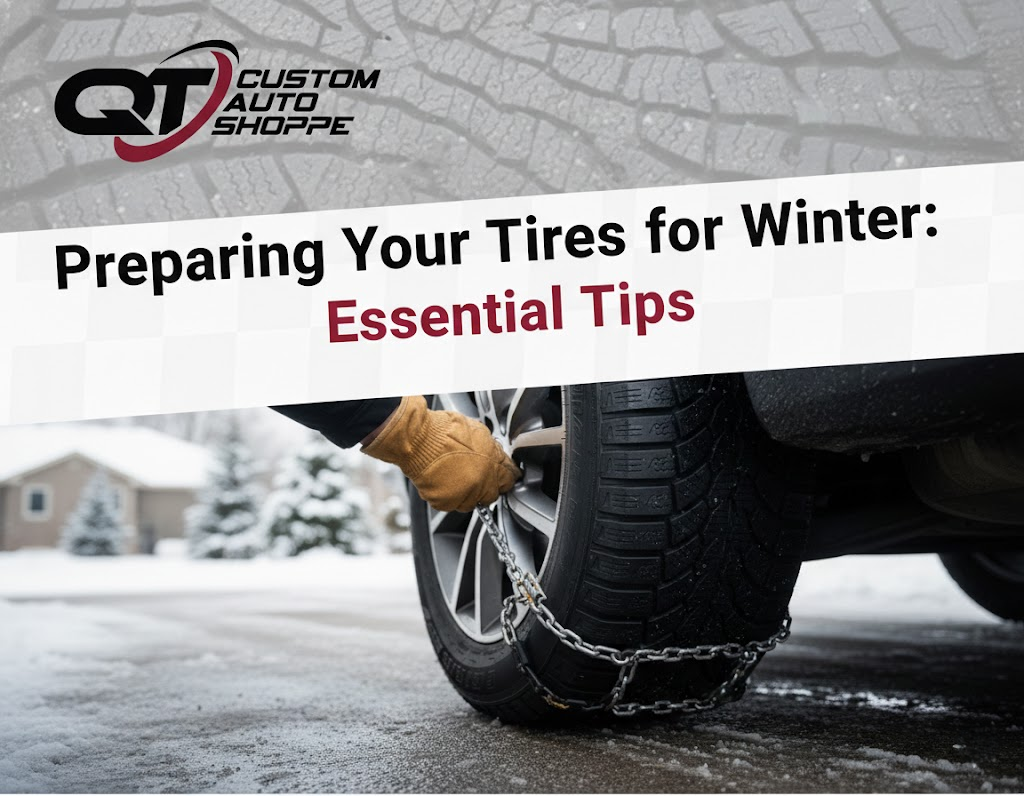
Preparing Your Tires for Winter: Essential Tips
As the weather cools down and temperatures begin to drop, it becomes necessary to check whether your vehicle is prepared for the demands of fall and winter driving. Tire preparation often slips down the priority list until a drive feels subtly different. The rubber gets stiffer, braking takes longer to settle, and traction starts to change long before winter feels serious because they are directly affected by colder conditions and changing road surfaces.
Preparing your tires for winter means staying ahead of these subtle changes, keeping them ready for fall and winter driving conditions.
This article explains what winter tires are, why preparation matters, how to inspect and maintain your tires, when to switch, and what to consider when choosing the right winter setup.
What Are Winter Tires?
Winter tires are designed to perform in cold temperatures where standard tires begin to lose their composure, as the rubber compound remains flexible rather than stiffening on cold pavement. That flexibility allows the tire to stay connected to the road during braking and turning, while the tread pattern continuously moves slush and moisture away from the contact surface.
Many drivers associate winter tires only with heavy snowfall, yet cold asphalt alone changes how rubber behaves, making winter tires relevant even on dry roads once temperatures consistently drop.
Why Winter Tire Preparation Matters
Cold weather gradually affects tire performance, making it easy to overlook until control begins to feel compromised during routine driving. As temperatures fall, air pressure drops, rubber loses elasticity, and traction becomes less predictable, especially during braking and cornering.
Ongoing winter tire maintenance helps manage these shifts by keeping tires responsive throughout the season, rather than reacting after traction has already declined.
Check Your Tire Tread Depth
Tread depth plays a key role in winter performance because it determines how effectively a tire can clear snow, slush, and standing water from its surface. As tread wears down, that clearing ability weakens, which reduces grip in cold conditions.
Once tread depth approaches 6/32”, winter traction drops off more quickly than many drivers expect, making this check one of the most practical steps in preparing your tires for winter.
Maintain Proper Tire Pressure in Winter
Cold air causes tire pressure to naturally drop, often without any visible warning. So, a tire that appeared properly inflated earlier in the season may already be underinflated by winter.
Low pressure affects handling, braking response, and tire wear. This is where regular checks should become part of consistent winter tire maintenance, especially during periods of fluctuating temperatures.
Consider Switching to Winter Tires
All-season tires are designed to balance performance across a wide range of conditions, but that balance comes with limitations once temperatures remain consistently low. Winter tires provide a stronger grip and better control in cold weather, improving confidence on wet, icy, or cold pavement.
For many drivers, preparing tires for winter means recognizing when all-season tires are no longer well-suited to the conditions they face daily.
Winter Tires vs. All-Season Tires
The difference between winter tires and all-season tires becomes most noticeable during braking and cornering, where winter tires maintain steadier contact with the road while all-seasons begin to struggle.
All-season tires prioritize longevity and convenience, while winter tires focus narrowly on cold-weather traction, and drivers often realize the contrast only after experiencing both in similar conditions.
Benefits of Snow and Ice-Specific Tires
Winter tires designed for snow and ice provide more consistent grip during starts, stops, and turns, reducing wheel spin and improving directional stability during everyday driving.
These benefits are most noticeable during routine commutes rather than severe storms. Maintaining that performance relies on regular checks and rotation, which is why many winter tire maintenance tips emphasize wear patterns and pressure rather than complex adjustments.
When to Make the Switch
If you are deciding when to put on winter tires, focus on the temperature instead of waiting for snow. Tire rubber starts to react to cold pavement well before any snow falls.
Once daily temperatures hover near 45°F, winter tires begin to outperform all-season options consistently. Waiting too long to switch can leave you driving on tires that no longer perform as designed.
Preparing your tires for winter works best when timing is based on temperature rather than weather forecasts.
Inspect Tires for Damage or Wear
Cold conditions tend to reveal existing weaknesses, including sidewall cracks, punctures, or uneven wear that may not have been noticeable during warmer months.
A thorough inspection before winter helps identify these issues early, supporting reliable winter tire maintenance throughout the season and reducing the risk of unexpected problems on cold roads.
Rotate and Balance Your Tires
Winter driving places added demands on tires, particularly during braking and acceleration, which can accelerate uneven wear if rotation and balancing are ignored.
Making sure your tires wear evenly helps the car respond more consistently on the road and prevents the tires from wearing out faster than they should. That’s why this is one winter tire maintenance tip drivers must follow.
Check Your Tire Alignment
Winter roads often conceal potholes, uneven pavement, and debris beneath snow or slush, increasing the likelihood of alignment issues that affect steering response and tire wear.
While cold temperatures themselves do not alter alignment, seasonal road conditions frequently do, and checking your tire alignment helps preserve consistent contact with the road during winter driving.
Store Your Summer Tires Properly
Proper storage protects summer tires from unnecessary aging, and cleaning them before storage removes road residue that can degrade rubber over time.
Storing them in a cool, dry environment and positioning them correctly helps maintain their condition until the next season, making seasonal transitions smoother.
Factors to Consider When Buying Winter Tires
Tire Size and Fitment
Choosing the correct size preserves handling balance and ensures proper road contact in winter conditions.
Type of Winter Tire
Studless ice tires and performance winter tires address different driving needs depending on typical road conditions.
Tread Pattern and Design
More open and aggressive patterns help move deep snow away from the tire, while tighter tread designs improve grip on icy or wet roads, where surface contact matters most.
Rubber Compound Quality
Higher-quality compounds remain softer at lower temperatures, which helps maintain traction and braking performance throughout the winter season.
Weather and Driving Conditions
Urban driving, highway commuting, and rural routes place different demands on tires, making it important to match the tire to real-world conditions rather than assumptions.
Local climate, daily driving distance, and road types all play a role in selecting the right winter tire. Drivers who invest in custom rims and tires often choose a dedicated winter setup to simplify seasonal changes.
Cold Weather Tire Care Tips
Winter driving benefits from steady habits such as regularly checking tire pressure, rinsing off road salt, and paying attention to changes in vibration or noise that may signal developing issues. Consistent tire care in winter helps maintain predictable performance even as conditions vary from week to week.
Those looking for custom rims and tires in Woodbridge, VA often value the added protection and convenience this approach provides during colder months.
Conclusion
Winter driving feels easier and more controlled when tires are prepared early, rather than adjusted after grip has already dropped. Preparing your tires for winter improves control, reduces uncertainty, and supports confident driving on cold roads. With the right tires, regular inspections, and thoughtful maintenance, winter travel feels less reactive and more composed throughout the season.
At Quality Tire Custom Auto Shoppe, experienced technicians help drivers prepare for winter through inspections, proper tire selection, and seasonal service tailored to real driving needs.
To schedule your winter tire service or speak with a specialist, contact us at (703) 491-9005 and get ready for the season with confidence.
FAQ’s
When should I switch to winter tires?
When daily temperatures remain around 45°F, even if snow has not yet arrived.
How often should I check tire pressure in winter?
Every two weeks or after noticeable temperature changes.
What is the minimum safe tire tread depth for winter driving?
A minimum of 6/32” is recommended for winter traction.
Can I use all-season tires in winter?
Yes, though traction and braking performance decrease in cold conditions.
Is tire rotation necessary before winter?
Yes, rotation helps manage increased wear during winter driving.
Can cold weather affect alignment?
Winter road conditions can contribute to alignment issues.
Why is tire pressure so important in winter?
Proper pressure supports grip, stability, and tire longevity.