
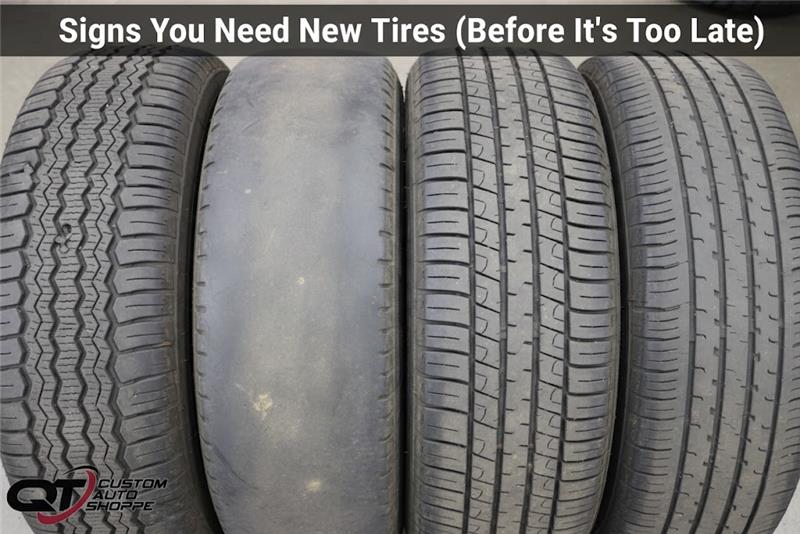
Signs You Need New Tires (Before It’s Too Late)
Your tires are the foundation of your vehicle’s safety, comfort, and performance. Every time you drive, your tires are what connect you to the road — they handle every turn, absorb every bump, and provide traction for acceleration and braking. Yet, despite how essential they are, tires are often one of the most neglected parts of vehicle maintenance.
Many drivers assume that as long as the tires aren’t flat, they’re fine. Unfortunately, that’s not true. Tires can wear down, age out, or sustain hidden damage that affects how your vehicle performs and how safe you are behind the wheel. Worn or damaged tires can lead to poor handling, increased stopping distance, reduced fuel efficiency, and even blowouts at highway speeds.
At Quality Tire, we’ve helped countless drivers identify when it’s time for new tires — often catching problems before they turn dangerous. If you’re wondering whether your tires are still roadworthy, here are a few key signs that you need new tires before it’s too late, plus expert tips to extend your tire life.
1. Low or Uneven Tread Depth
Tire tread plays a vital role in keeping your vehicle stable and safe. The tread pattern channels water, provides traction on rough surfaces, and grips the road when you brake or turn. As tread wears down, your tires lose the ability to do these things effectively — especially in rain or snow.
How to Check Your Tire Tread
You don’t need special tools to check tread depth. The classic penny test works perfectly: insert a penny into the tire tread with Lincoln’s head facing down. If you can see all of Lincoln’s head, your tread is below 2/32 of an inch and the tire is legally worn out.
Uneven Tread Wear Warning
Sometimes, the tread wear isn’t even. You may notice bald patches, feathering on one edge, or cupping patterns. These signs often point to suspension, alignment, or inflation issues. If one tire looks more worn than the others, it’s time to have your vehicle inspected at Quality Tire. Fixing the root cause now will prevent your next set of tires from wearing prematurely.
2. Cracks, Bulges, or Blisters on the Sidewalls
Sidewall damage is one of the most dangerous tire issues — and it’s often ignored. Your tire’s sidewall supports the internal structure, and any weakness here can lead to a catastrophic blowout.
Common Causes of Sidewall Damage
- Hitting potholes or curbs
- Driving on underinflated tires
- Overloading the vehicle
- Exposure to heat and sunlight over time
If you notice cracks, bubbles, or bulges, replace the tire immediately. A bubble means the internal cords have snapped, allowing air to push against the rubber’s outer layer. That tire could fail without warning.
At Quality Tire, our technicians inspect sidewalls closely for structural weaknesses that might not be visible at a glance.
3. Vibration or Shaking While Driving
A smooth ride can quickly become bumpy when your tires are worn or out of balance. You may feel the steering wheel shake or the cabin vibrate — especially at highway speeds.
What Causes Tire Vibration
- Uneven or cupped tread wear
- Out-of-balance wheels
- Separated tire belts
- Bent rims or suspension issues
Vibration isn’t just uncomfortable; it’s a warning sign that something isn’t right. Ignoring it can cause your tires and suspension components to wear faster. A quick inspection and balancing service from Quality Tire can restore smoothness and extend tire life.
4. Longer Stopping Distances or Poor Handling
Your tires directly affect how your car handles and stops. If you notice that your vehicle slides during braking, struggles for traction, or doesn’t corner like it used to, your tires may be losing grip.
As tread depth decreases, your tires can’t channel water effectively. This increases your risk of hydroplaning — when your tires lose contact with the road surface entirely.
Performance Drop Indicators
- Increased braking distance
- Drifting during turns
- Poor grip on wet or icy roads
- Vehicle feels “floaty” or unresponsive
If you experience these symptoms, don’t wait for a full failure. Bring your vehicle to Quality Tire for a traction and tread inspection.
5. Tire Age — Even If They Look Fine
Tires don’t last forever, even if the tread looks good. Rubber naturally degrades over time due to sunlight, heat, and oxygen exposure. A tire that’s over six years old is more likely to crack or fail, even if it appears unused.
How to Check Tire Age
Look for the DOT code on your sidewall. The last four digits indicate when the tire was made. For instance, “1521” means the tire was manufactured in the 15th week of 2021.
Most experts — and tire manufacturers — recommend replacing tires every six to eight years, regardless of mileage. At Quality Tire, we can check your tire’s manufacturing date and overall condition to ensure they’re safe for continued use.
6. Decreased Fuel Efficiency
Did you know worn-out or improperly inflated tires can reduce your fuel efficiency? As tread wears and pressure fluctuates, your vehicle has to work harder to maintain traction, which burns more fuel.
Regular tire maintenance, like keeping the correct air pressure and performing routine rotations, helps maintain fuel economy. If you’ve noticed you’re filling up more often lately, your tires could be part of the reason.
7. Loud or Unusual Tire Noise
Tires usually produce a steady hum while driving, but excessive or uneven noise can indicate a problem. Thumping, humming, or squealing sounds might suggest irregular tread wear, misalignment, or damaged belts inside the tire.
At Quality Tire, our technicians can diagnose whether the sound is coming from your tires or other components like wheel bearings or brakes.
Why Timely Tire Replacement Is So Important
Replacing tires at the right time isn’t just about performance — it’s about protecting lives. Tires affect every part of your driving experience, including braking, acceleration, cornering, and comfort.
Risks of Driving on Old or Damaged Tires
- Blowouts at high speeds
- Poor traction in wet or icy conditions
- Increased stopping distance
- Vehicle drift or steering instability
- Uneven wear on suspension parts
By recognizing the early signs and replacing your tires promptly, you ensure your vehicle runs safely, efficiently, and smoothly.
Tire Maintenance Tips to Extend Tire Life
You can significantly increase your tire lifespan with regular care and attention. Here are some easy ways to make your tires last longer:
- Check air pressure monthly and before long trips.
- Rotate your tires every 5,000–6,000 miles to ensure even wear.
- Get wheel alignments at least once a year or after hitting a major pothole.
- Avoid overloading your vehicle.
- Inspect tires regularly for nails, cracks, or sidewall damage.
Proper maintenance helps you save money, improve safety, and enjoy better performance year-round.
When to Visit Quality Tire
If you’ve noticed any of the signs above — or just want peace of mind — bring your vehicle to Quality Tire. We offer:
- Professional tire inspections
- Tire balancing and rotation
- Wheel alignment services
- Replacement tires for all vehicle types
- Honest recommendations from certified experts
Whether you drive a commuter car, SUV, or heavy-duty truck, we’ll help you find the best tires for your vehicle and budget.
FAQs About Tire Replacement
- How often should I replace my tires?
Most tires should be replaced every 6 years or when tread depth reaches 2/32 of an inch. However, high-mileage or performance driving may require earlier replacement. - Can I replace only one tire?
You can, but replacing tires in pairs or all four is better for balanced traction and stability. - What causes uneven tire wear?
Misalignment, incorrect air pressure, or suspension issues can cause uneven wear. Regular maintenance prevents this problem. - How do I know if my tire pressure is correct?
Check the recommended PSI on the driver’s door jamb or owner’s manual. You can also stop by Quality Tire, and we’ll check it for free. - Are cracks on the sidewall dangerous?
Yes. Cracks or bulges mean structural damage and increase the risk of a blowout. Replace these tires immediately. - Does tire brand matter?
Yes. Premium brands offer better tread life, grip, and safety. At Quality Tire, we’ll recommend trusted brands that fit your driving style and budget. - Can old tires fail even if rarely used?
Absolutely. Rubber ages naturally, making old tires unsafe even with minimal wear. - How can I make my tires last longer?
Keep them inflated properly, rotate them regularly, and get annual alignments. Drive smoothly to reduce premature wear. - Should I replace my tires before winter?
If your tread depth is under 4/32″, replace them before the season. Good traction is vital for safe winter driving. - What’s the best way to store spare tires?
Keep them in a cool, dark, and dry place. Avoid direct sunlight and extreme temperatures to prevent cracking.
Final Thoughts
Your tires are essential for safety, stability, and overall vehicle performance. Ignoring signs of wear can lead to costly repairs or dangerous situations on the road. By inspecting your tires regularly and recognizing the warning signs early, you’ll drive with confidence and peace of mind.
At Quality Tire, our goal is to keep you safe and your vehicle performing its best. Whether you need a tire inspection, replacement, or alignment, our team is ready to help. Stop by your nearest location today — and let us make sure your tires are ready for every mile ahead.